
Getting planning permission or building regulations approval does not remove the need to deal with your neighbours under the Party Wall etc. Act 1996. It is a separate law that applies in England and Wales, and it is one of the things most often missed at the start of an extension.
When it applies
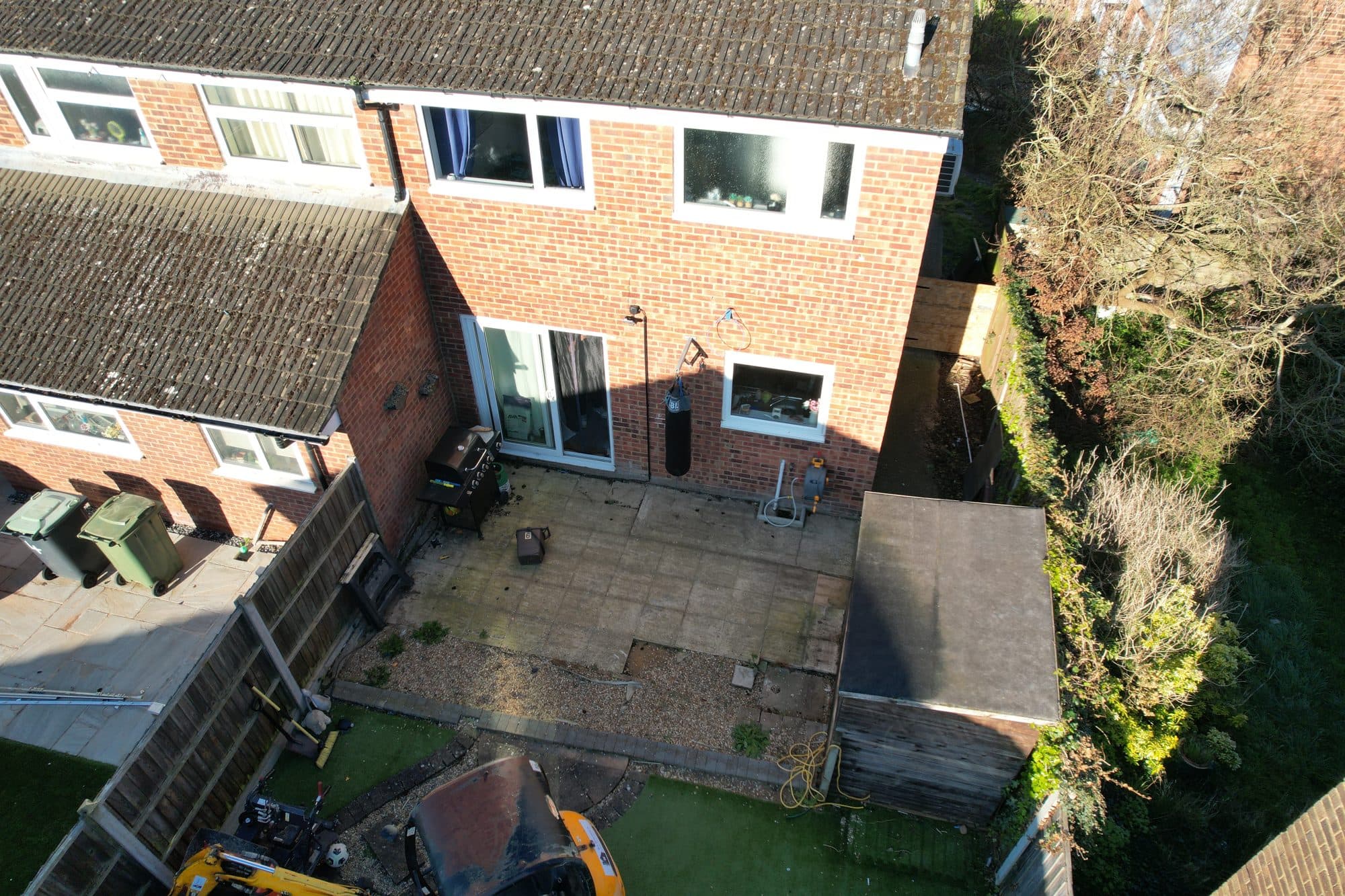
The Act covers work to a wall you share with a neighbour, building on or at the boundary, and digging close to a neighbour's building. On a typical semi-detached or terraced house, a rear or side extension often triggers at least one of these.
The three types of notice
- Party structure notice: for work to a shared wall, such as cutting into it or raising it. Typically two months' notice.
- Notice of line of junction: for building a new wall on or astride the boundary. Typically one month's notice.
- Adjacent excavation notice: for excavating near a neighbour's building below the level of their foundations, within certain distances. Typically one month's notice.
What happens after you serve notice
Your neighbour has 14 days to respond. If they consent in writing, you can proceed. If they dissent, or do not reply, a dispute is treated as having arisen and surveyors are appointed to agree a party wall award that sets out how the work will be done and records the condition of the neighbouring property. As the building owner you would normally pay the reasonable costs of the surveyors involved.
The award is not a way for a neighbour to stop lawful work. It is a process for protecting both properties while it is carried out. Read the government's party wall guidance for the details.
How we handle it
We raise the Party Wall Act at the design stage and can advise on when notice is needed, so it is served well before the start date. See our extensions page for how we run a project from groundworks to completion, or talk to us before you finalise a design.
Sources and further reading
Related services
See how we approach this
About the author
Written by JLS Building & Property Development Ltd, a family-run building contractor covering Bedfordshire, Cambridgeshire, Hertfordshire and Buckinghamshire. FMB member and SafeContractor approved. More about us. This guide is general information, not professional or legal advice for your specific project.