
Planned preventative maintenance, usually shortened to PPM, is one of those terms that gets mentioned in leases and insurance policies without much explanation of what it actually means day to day. It's simpler than it sounds.
What a PPM schedule actually covers
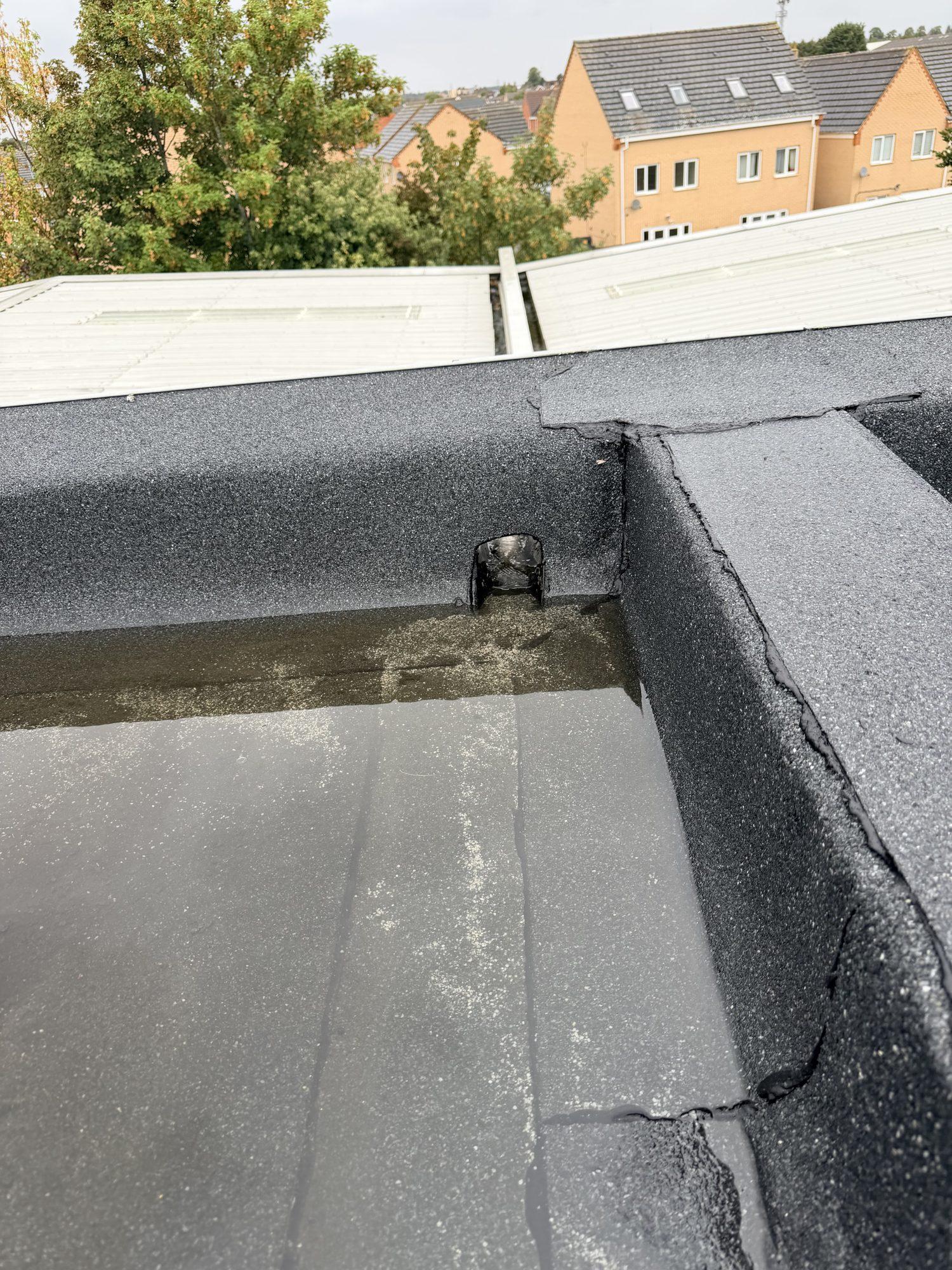
A PPM schedule sets out what gets checked or serviced, and how often, regardless of whether anything appears to be wrong. For a typical commercial building that usually includes roof and gutter inspections, fire alarm and emergency lighting testing, fixed wire electrical testing, heating servicing, and a general check of the building fabric: doors, windows, external areas and drainage.
The value isn't in fixing something that's broken, it's in catching wear or a small fault before it becomes a bigger repair, and having a record of what's been checked and when.
Why leases and insurers ask for it
Commercial leases commonly put repairing obligations on the tenant or landlord, and a maintenance schedule is the practical way of meeting them. Insurers can also ask for maintenance records after a claim, particularly for anything related to fire safety or water damage, so having a documented history matters beyond just keeping the building in good condition.
Setting one up
We put together a PPM schedule based on what's actually in the building, its age, and lease requirements, rather than a generic template. It runs alongside a reactive service for anything that comes up in between planned visits.
Related services
See how we approach this
About the author
Written by JLS Building & Property Development Ltd, a family-run building contractor covering Bedfordshire, Cambridgeshire, Hertfordshire and Buckinghamshire. FMB member and SafeContractor approved. More about us. This guide is general information, not professional or legal advice for your specific project.